Tutorials
How to Use a VPN App on Your Android Phone
Step up your security with your Android using a vpn app. Discover practical steps to select, install, and optimize, plus expert tips to maintain privacy and resolve issues—no experience needed.
Advertisement
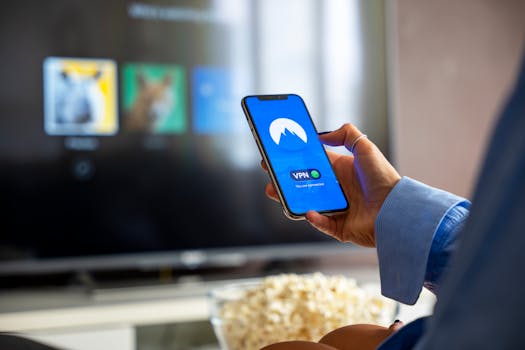
Scrolling social feeds in new places can feel risky, but learning how to use a vpn app on your Android phone can quickly boost your privacy.
Choosing to protect your activity isn’t just smart security; it also helps shield personal data when connecting to public Wi-Fi, shared networks, or even trusted home routers.
Let’s break down real steps and examples you can use today—with simple, reliable methods to unlock the full power of a vpn app on any Android phone.
Choosing the Right VPN App for Everyday Security
Picking a vpn app isn’t just about picking any name from the Play Store. This section guides you to matched features and smooth installs for real-world use.
Matching your usage style—work, streaming, emergencies—really matters. You’ll see clearer choices after comparing connection stability, device compatibility, speed claims, and privacy practices.
Comparing Popular Apps in the Play Store
Open Google Play, search for ‘vpn app,’ then scan reviews talking about speed, real privacy, and update history. Unbiased feedback reveals reliability under pressure, not just empty marketing.
Look for labels like ‘no-log policy,’ ‘AES-256 encryption,’ and prompt customer support. These phrases demonstrate the app’s design around user trust rather than simply software flash or downloads.
If an app advertises unlimited devices or high speeds, check recent reviewer experiences for throttling or disconnections, which directly impact streaming, gaming, or daily browsing reliability.
Details: ‘Free’ versus Paid Services
Free vpn apps appear attractive but will typically offer fewer servers and log usage data. Advertisements and slower connections can hamper usability in important moments.
Paid options generally supply more consistent speeds, better encryption, and actual technical support. Monthly or yearly fees are common, with prices averaging $3–$12 monthly for robust protection.
Trying both types helps clarify if the speed and privacy of a subscription justifies its cost, especially for regularly traveling or streaming across international platforms.
| App Name | Free Tier? | Log Policy | Ideal For | Next Step |
|---|---|---|---|---|
| Hola VPN | Yes | Some data logged | Light browsing | Test on home Wi-Fi first |
| ProtonVPN | Yes | No-log | Privacy seekers | Try free, then compare speed |
| ExpressVPN | No | No-log | Streaming, travel | Check trial options |
| NordVPN | No | No-log | Frequent use | Review device support |
| Windscribe | Yes | Limited logs | Budget-conscious | Start with free version |
Step-by-Step: Setting Up for the First Time
Confidence grows when you know what’s coming next. This section lays out each step you’ll see and do when setting up your chosen vpn app for initial use.
Fewer surprises mean faster setup and immediate protection for your browsing, calls, or streaming sessions—on campus, in cafes, or while traveling home on public transportation networks.
Download, Open, and Accept Permissions
Once you pick a vpn app, download it from the Play Store. Open the app. Notice prompts requesting network- and device-level permissions—these let the vpn app protect your traffic.
Read each permission prompt. Tap “Allow” or “Continue” as needed to start setup. This enables the vpn app to run in the background, routing all communications through encrypted tunnels.
- Download from the official Play Store to avoid malware, ensuring the vpn app remains legitimate and fully updated in the future.
- Accept required permissions for VPN connection status notifications and background data routing, so the vpn app seamlessly encrypts every online activity.
- Reject optional permissions like contacts or camera access, since a secure vpn app will rarely need them beyond connectivity needs.
- Review user agreements, especially regarding data handling, so you’re clear about how the vpn app stores or processes your information.
- Pin the vpn app icon to your home screen. This makes it easier to tap and activate quickly for urgent privacy boosts.
Now, once permissions are set, you’re ready for your first secure connection inside the vpn app’s main dashboard.
Selecting Your First VPN Server Location
Most vpn apps let you choose a server country. Tap “Location” or “Server List.” Pick a country based on speed, region-locked content, or privacy regulations.
Tap “Connect” after picking your location. A notification or key icon will appear—this confirms your vpn app tunnel is active and hiding your real IP address.
- Select local servers for the fastest speeds; the closer the vpn app server, the less lag, especially for video or gaming.
- Choose overseas servers to unblock content, like streaming a show available in another country. Use the vpn app’s built-in speed test to compare before settling on one.
- Avoid repeatedly switching locations without disconnecting. Some sites may block traffic that hops rapidly between countries via your vpn app connection.
- Try a few servers at different times of day to track the vpn app’s performance when networks are busy versus quiet.
- Favorite your most-used servers inside the vpn app, saving time the next time privacy is needed in a hurry.
Congrats—your Android phone is now covered by an encrypted, location-neutral tunnel courtesy of your chosen vpn app.
Fine-Tuning Connection Settings and Privacy Features
Advanced options in most vpn apps let you boost your privacy, dodge speed drops, and stretch device battery life. Here’s what you can adjust for more tailored results.
Explore these settings to fit your specific needs. Not every feature suits every routine or network environment, so test and note which tweaks bring the best peace of mind.
Turning on Kill Switch and Always-On Protection
Open your vpn app’s settings, and look for ‘Kill Switch’ or ‘Always-On VPN.’ Enabling these features blocks all internet traffic if the vpn app accidentally disconnects.
Use kill switch features if you regularly handle sensitive emails, banking logins, or client information, since dropping connection risks exposing unprotected data with just one tap.
If a kill switch is unavailable, check for network lock or safe reconnect options—different vpn apps label this feature uniquely, but all prevent accidental leaks during spotty Wi-Fi moments.
Exploring Split Tunneling and Protocol Choices
Split tunneling lets you pick which apps use your vpn app tunnel, while the rest bypass it. Enable this mode to funnel only critical activity through the vpn app’s shield.
This tweak comes in handy for banking or regional shopping apps that dislike VPNs, letting you stream internationally while keeping mobile payments local and quick.
Protocol options—OpenVPN, IKEv2, WireGuard—appear in settings. Test which protocol gives you the smoothest, fastest connection with your favorite apps over Wi-Fi or mobile data.
Everyday Scenarios: Real Use Cases to Try Right Now
By applying your vpn app to situations you face daily, you turn passive protection into proactive privacy habits. Everyday moments become practice grounds for tweaking your setup.
Running the vpn app on all mobile hotspots or café Wi-Fi networks is a quick win for data safety. Add in travel, streaming, and work cases for more creative uses.
Sending Emails over Unsecured Networks
Picture Monday morning at your favorite café. Connect to Wi-Fi, open your vpn app, and verify the encrypted icon before you send business or personal emails.
If there’s no tunnel confirmation, pause—reselect a local server, wait for the secured notification, then continue. This ritual keeps your email contents private from prying eyes on open networks.
This approach builds simple trust: if the vpn app icon is missing, don’t send confidential content. Use the phrase, “I always check for the lock before sending.”
Unblocking Region-Locked Apps and Content
Say you’re visiting another state and your favorite streaming app says, “Content Unavailable.” Open your vpn app, pick a home server, refresh, and watch the restriction vanish.
This trick also unlocks websites and services needed for work, banking, or school—especially abroad, where geo-filtering is common. Carefully use only legal content with vpn app assistance.
Instruct others with: “Pick your country, tap Connect, and reload the app—vpn app does the rest.” Stay alert to terms of use with each service.
Maintaining Strong Privacy and Speed Over Time
After initial setup, regular habits keep your vpn app running strong and your connection reliably private. These routines protect you long-term, not just in an emergency.
Focus on small details like updates, connection status, and app compatibility. By doing this, you let the vpn app quietly safeguard your daily activity behind the scenes.
Updating Apps and Android for Security
Visit the Play Store weekly to check for vpn app updates. Fresh releases patch bugs and add new features that support smoother, faster performance.
Update your Android OS when prompted. Some vpn apps need the latest system drivers for stable, leak-free operation over time.
If a vpn app update drops unexpectedly, check its changelog or reviews before accepting—transparency in updates signals better practices and trustworthiness.
Testing for Leaks and Speed Drops
With your vpn app connected, search “IP leak test” or “DNS test” online. Follow onscreen instructions to confirm your real IP is hidden, and nothing leaks outside the tunnel.
Run a speed test—compare results with and without the vpn app active. Accept slower browsing on distant servers, but flag severe drops for troubleshooting or switching apps.
Track these results monthly. Reliable performance means your vpn app is holding up under your specific use patterns, not just under ideal circumstances.
Quick Troubleshooting: Solving Common VPN Snags
Getting stuck mid-connection isn’t rare. Follow these fixes for the most common issues, keeping your vpn app dependable in pressure situations.
Prompt responses restore confidence when login fails, speeds crawl, or the vpn app won’t launch at all—no tech background required.
Resolving Login Failures and App Freezes
If your vpn app won’t accept your password, reset it using the “Forgot Password” link. Still stuck? Clear the app cache from Android settings, then try again.
Force-quit the app and reopen it. If freeze-ups persist, uninstall and reinstall the vpn app from the Play Store for a fresh start and up-to-date files.
Always save your vpn app credentials in a password manager. This makes account recovery easier and stops repeated login mishaps.
Improving Slow Connections and Server Overload
When speeds drop, disconnect from your current location and try a new server in the vpn app. Check for “fastest server” recommendations—many apps auto-suggest optimal nodes.
Temporarily switch to a less crowded region or try off-peak hours for better speed results. If nothing improves, restart your phone and router, then reconnect through the vpn app.
If specific sites are blocked despite vpn app use, empty your browser cache and cookies before retrying. Some platforms remember locations and may need a fresh session to clear restrictions.
Bringing It All Together: Best Practices for Ongoing VPN Use
Applying these strategies to your Android routine keeps your browsing safer as you move from home, to work, to public places. Recapping the essential points helps make this a permanent habit.
Keeping your vpn app updated, actively checking privacy settings, and selecting the right server location each time sets you up for private, uninterrupted activity all year long.
By treating vpn app usage as a daily ritual rather than a one-off chore, you maintain a strong defense against leaks and snoops. The benefits compound as your confidence grows—one secure connection at a time.